

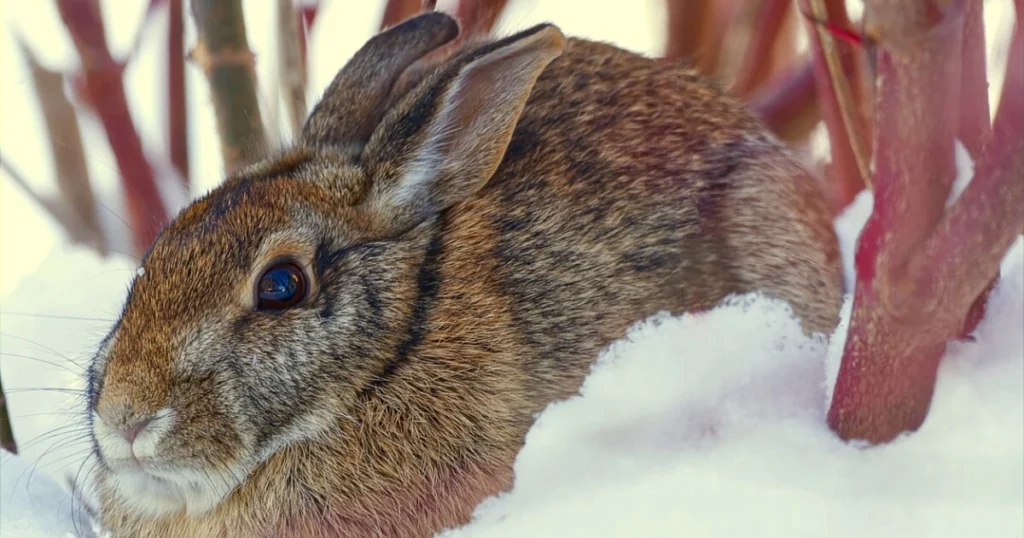
Photo by Doug Gordon / Getty Images
If you’re looking to keep birds visiting and support wildlife without feeding, adding native plants to your landscape is one of the best ways to help. But if you’re also looking for plants that maintain winter interest, there’s a few species that will bring colour and texture while continuing to support wildlife!
Always check to see if plants are appropriate for your hardiness zone and are native to your region before purchasing or planting. The Fur-Bearers uses scientific (binomial) names of plants to ensure accuracy, as common names can be misleading or conflated between species.
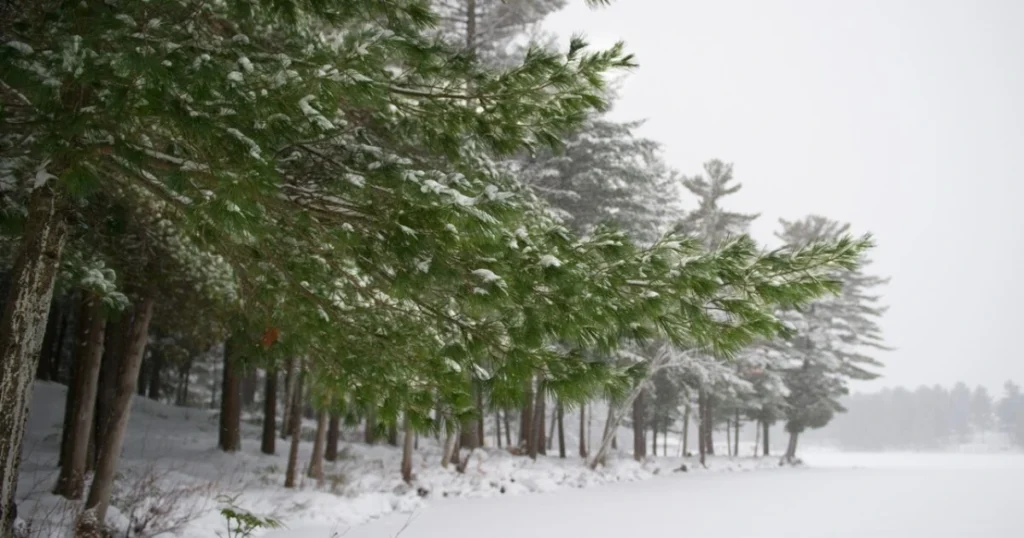
Photo by flyzone / Getty Images
Pinus strobus – Eastern White Pine. The tallest conifer in eastern Canada (up to 200 feet!) provides outstanding habitat for birds, squirrels, and other animals, and seeds from the pinecones are excellent all-season snacks for wildlife. The bunches of green pine needles remain on the tree for two to three years and are beautiful covered in snow or bare through the darker months. Planting tips: Pinus strobus is loved for its rapid growth – up to 24 inches per year. But that means its roots can cause trouble when planted near homes, and it will provide a great amount of shade to a landscape. In warmer climates, plant in part shade.
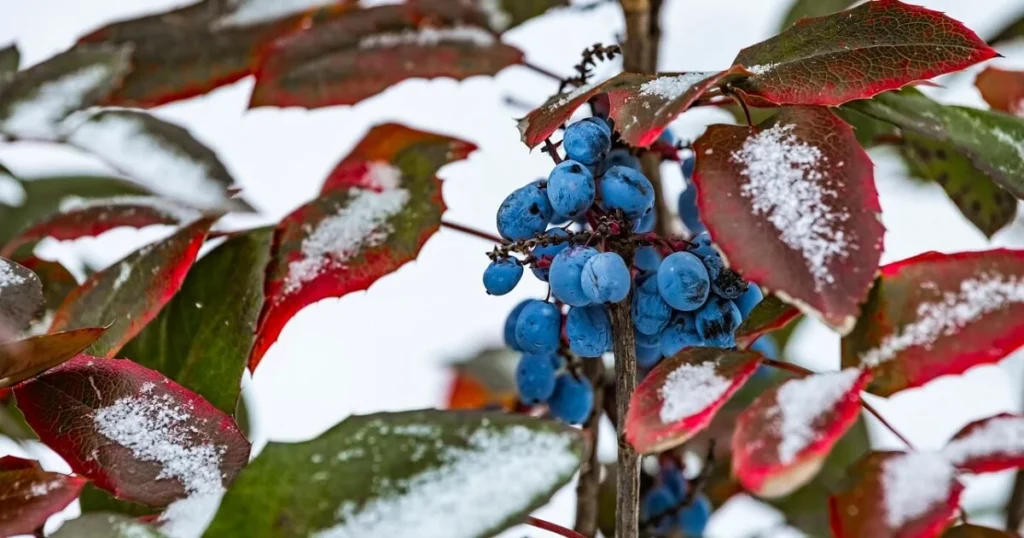
Photo by Kateryna Mashkevych / Getty Images
Mahonia aquifolium – Tall Oregon Grape. A tall shrub with evergreen leaves, Tall Oregon Grape is a popular west coast native plant that offers resources to small mammals and birds and is usually (depending on whom is asked) deer-resistant. A multi-season plant, those with M. aquifolium can expect to see racemes of bright, golden-yellow flowers in spring, deep purple-blue berries in late summer, and deep red leaves in fall and winter. Planting tips: Tall Oregon Grape dislikes full sun, and its leaves can be scorched with over exposure.
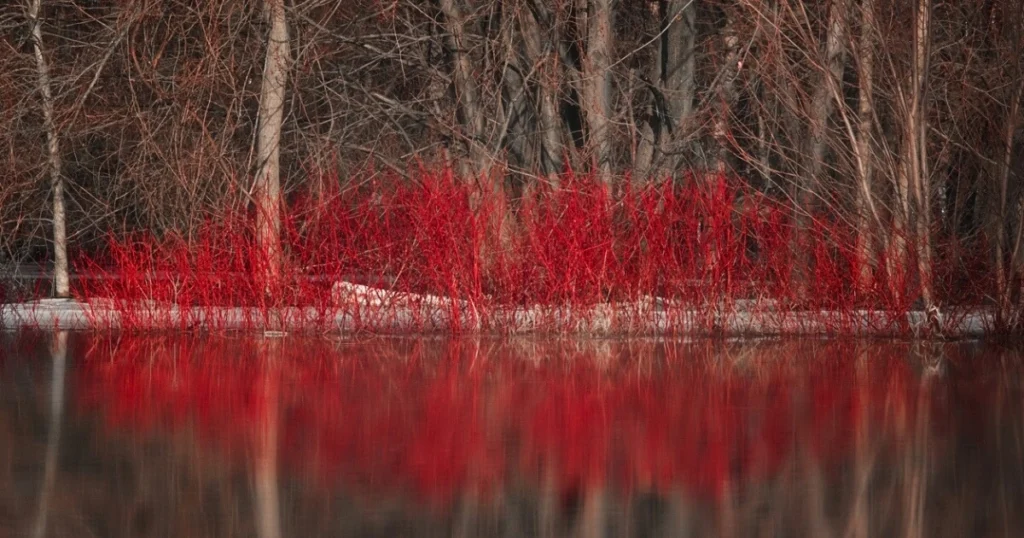
Photo by Jean Landry / Getty Images
Cornus sericea – Red-Osier Dogwood. Bird watchers may appreciate this tall shrub nearly as much as the birds themselves! Recognized by the bright red colour of new stem growth, C. sericea is an excellent native species at home across much of Canada. White flowers in an umbel formation are attractive to pollinators like butterflies and bees, and the blue-coloured berries that ripen in late summer to fall are favoured by many species of birds and mammals (including bears, so check your local planting guidelines). The red branches remain bright in their first year of growth and provide outstanding winter texture and colour. Planting tips: C. sericea has aggressive suckering roots, so be wary of planting near a house or areas where it cannot spread. While it can be successful in many situations, C. sericea does best in disturbed riparian zones. Consider planting near a pond!
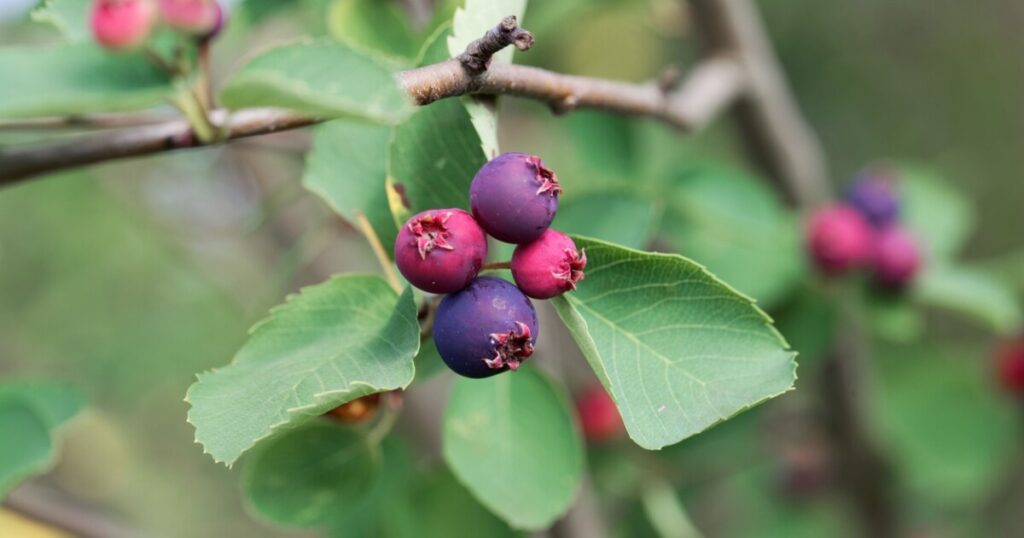
Photo by weisschr / Getty Images
Amelanchier alnifolia – Saskatoon serviceberry. A shrub that’s often pruned to a tree shape, Saskatoon serviceberry has short-lived, delicate white flowers that give way to red berries which are attractive to a variety of mammals and birds. Its bark can contain traces of red and brown, along with grey, to provide additional winter interest. It is sometimes listed as deer resistant. Planting tips: this species has a native range across Canada’s prairies and will grow to be drought resistant. Can be successful in full sun to part shade.
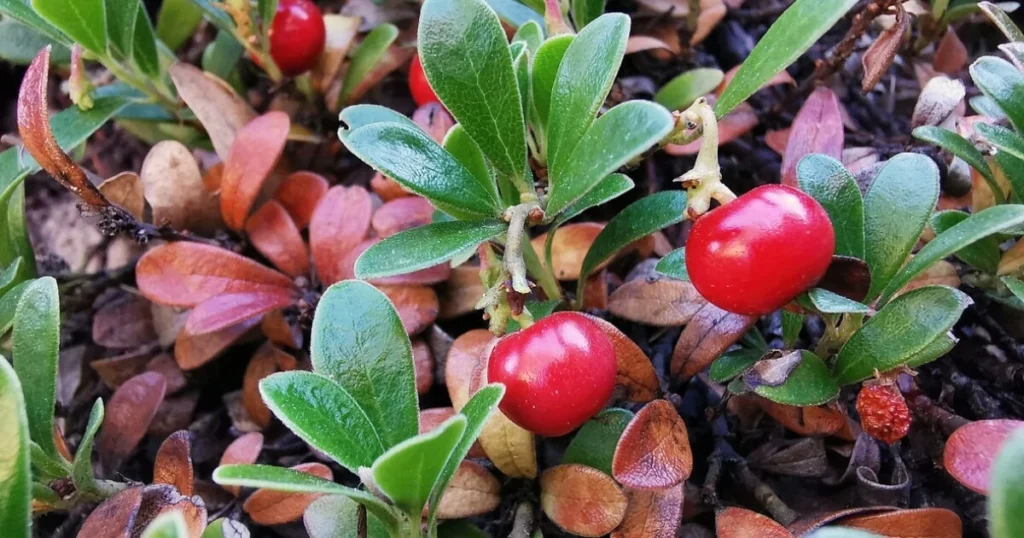
Photo by siur / Getty Images
Arctostaphylos uva-ursi – Bearberry. A low-growing, evergreen shrub, Bearberry is recognizable from its glossy green leaves that turn red and purple in winter, and bright red berries, popular with numerous species of birds and mammals. A. uva-ursi is tolerant of road salt, drought, and urban environments, making it a great plant in hard-to-grow areas. However, as the name implies, Bearberry will attract black bears, and should not be planted near populated areas where bears are known to be present. Planting tips: Bearberry will be highly successful in urban rain or rock gardens and can help naturalize a site quickly. As it spreads by suckers, be aware it may need maintenance annually.
What native plants do you love to see the birds or mammals enjoying in your neighbourhood? Let us know by emailing info@TheFurBearers.com or commenting on our YouTube, Facebook, Twitter, Instagram, or LinkedIn pages!
This post was originally published on December 4, 2023, at TheFurBearers.com. Thank you for allowing us to reproduce it here.


